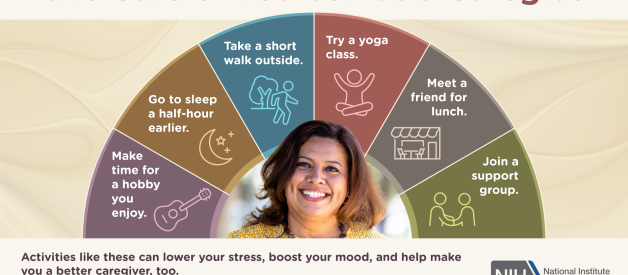
For retirees and older adults stepping into caregiving for the first time, often for a spouse, partner, or aging parent, the emotional challenges in caregiving can land fast and hard. New caregivers face daily caregiving stressors like constant decision-making, worry about health changes, disrupted sleep, and the pressure to keep finances and routines steady. When those demands pile up without relief, caregiver burnout can build quietly, showing up as irritability, foggy thinking, and feeling numb or overwhelmed. Self-care matters from day one because it protects the caregiver’s health and keeps care steady and compassionate.
Quick Summary of Key Self-Care Steps
- Eat balanced meals and stay hydrated to support steady energy and overall health.
- Fit in regular physical activity to boost strength, stamina, and daily resilience.
- Practice stress reduction techniques to manage pressure and protect emotional wellbeing.
- Build social support networks to avoid isolation and get practical help when needed.
- Share easy joint activities with the senior to stay connected while supporting both of you.
What Self-Care Means for Caregivers
Caregiver self-care is the basic upkeep that helps you keep showing up with steadier energy and clearer thinking. It includes your mental health, physical well-being, and emotional resilience, because these three parts support each other like a three-legged stool.
This matters because caregiving drains your body and mind at the same time, and strain can build quietly. The Cleveland Clinic notes that 60% of caregivers experience symptoms of burnout, so simple habits are not “extra,” they are protection.
Think of it like maintaining a car you rely on daily. If you skip sleep, meals, and breaks, small issues turn into breakdowns right when a loved one needs you most. With this foundation, practical daily routines can fit into a realistic day-by-day plan.
Daily and Weekly Habits That Keep Caregivers Steady
Habits work because they reduce decision fatigue and make self-care feel “scheduled,” not optional. For older adults juggling health needs, household costs, and changing tech, these practices create a simple rhythm you can repeat even during busy care weeks.
Two-Minute Morning Check-In
- What it is: Rate sleep, mood, pain, and stress from 1 to 5.
- How often: Daily
- Why it helps: You spot trouble early and adjust your day realistically.
Ten-Minute Mobility Walk
- What it is: Walk indoors or outside, then stretch calves, hips, and shoulders.
- How often: Daily
- Why it helps: Gentle movement improves energy and reduces stiffness.
Staple-Plus Meal Prep
- What it is: When cooking, prepare staple dishes alongside one new recipe.
- How often: Weekly
- Why it helps: It keeps meals easy, varied, and less expensive.
Connection Appointment
- What it is: Schedule one call, coffee, or group meet-up with a friend.
- How often: Weekly
- Why it helps: Socially connected individuals often stay healthier under stress.
One Hobby Timer
- What it is: Set a timer for reading, music, crafting, or gardening.
- How often: 3 times weekly
- Why it helps: It rebuilds patience and gives your mind a reset.
Caregiving Self-Care Questions, Answered
Q: What are some simple daily exercises that new caregivers can do to stay physically and mentally healthy?
A: Try a 5 minute chair routine: ankle circles, seated knee lifts, shoulder rolls, then slow neck turns. Add 2 minutes of paced breathing, inhaling for 4 counts and exhaling for 6, to settle your nervous system. If you can, take one short walk or do gentle wall push-ups to keep strength up without needing a gym.
Q: How can caregivers manage feelings of stress and overwhelm while balancing their responsibilities?
A: Use a “good enough” plan: list the 3 must-do tasks, then let the rest wait. Build in a guilt-free reset, like stepping outside for fresh air or drinking water before the next task. Asking for help is part of responsible caregiving, and the CDC notes only about 25% of caregivers report use of support services.
Q: What are effective ways for caregivers to maintain social connections despite a busy schedule?
A: Keep it small and scheduled: a 10 minute phone call, a brief porch visit, or a recurring check-in text. Tell friends what you need, such as “one encouraging message on Tuesdays,” so they can show up reliably. If in-person is hard, join a virtual group where you can listen even when you are tired.
Q: How can new caregivers find personal hobbies or activities that help them recharge and feel fulfilled?
A: Pick one activity that fits your energy level, then set a short timer so it feels doable. Choose “low setup” hobbies like puzzles, audiobooks, sketching, or simple container gardening. Remind yourself that replenishing time protects patience and decision-making, which helps the person you care for, too.
Q: If I want to explore new skills or paths to feel less stuck or uncertain in my life while caregiving, what options should I consider?
A: Start with one flexible goal: a short online class, a library workshop, or a community college course you can pause if care needs change. Practical tech paths like basic IT support, digital organization, or cybersecurity fundamentals can fit caregiving because they are modular and often remote-friendly, and some people also browse computer science degree options. You are not alone in wanting options, since 1 in 5 Americans has been a caregiver.
Pick Two Self-Care Habits to Protect Your Caregiving Health
Caregiving can fill every open minute, and it’s easy to put aside rest, stress relief, and your own needs until the strain shows up. The steadier approach is to treat self-care as part of the job, long-term self-care strategies that prioritize mental health and support sustained caregiver well-being. When that mindset becomes the default, energy is easier to manage, guilt has less room to grow, and preventing caregiver burnout becomes more realistic. Self-care is how caregivers stay strong enough to keep caring. Choose your next two self-care moves this week and put them on the calendar like any other appointment. That small commitment protects health, resilience, and connection for the long run.

